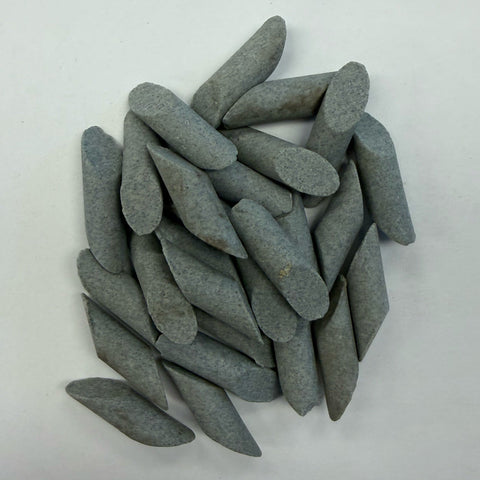
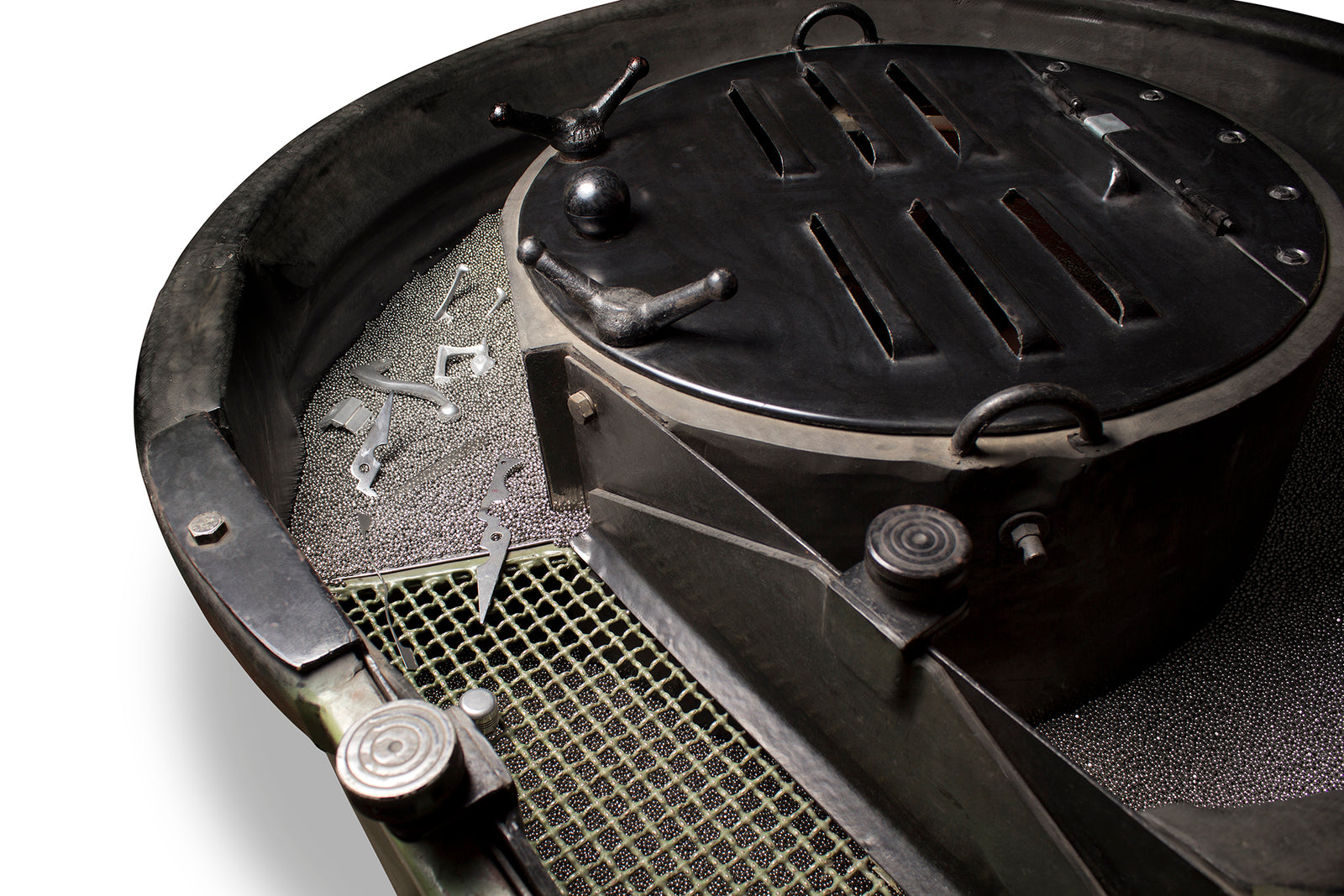
Vibratory finishing machine processing metal parts with ceramic tumbling media
Polar Finishing · Tumbling Media

Ceramic Tumbling Media

Durable ceramic bonds with precision-graded abrasives — from gentle porcelain burnishing to aggressive silicon carbide stock removal on hard alloys.

All Tumbling Media

Precision-Graded Abrasives

Engineered ceramic bonds with aluminum oxide and silicon carbide

Full Range of Cut Rates

From gentle porcelain burnishing to maximum-speed silicon carbide removal

Long Service Life

Low wear rates (0–7%/hr) across all compositions for reduced media costs

Hard Metal Specialist

Ideal for stainless steel, titanium, tool steel, and aerospace alloys

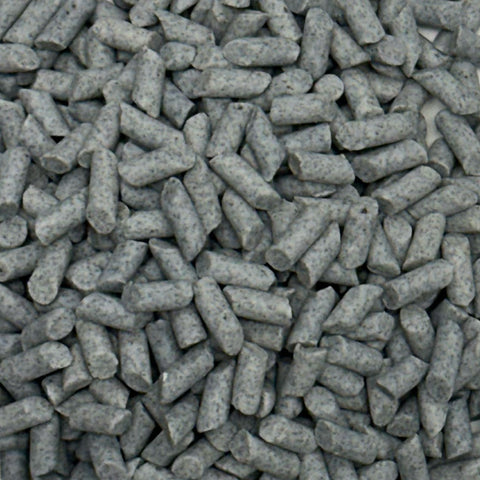
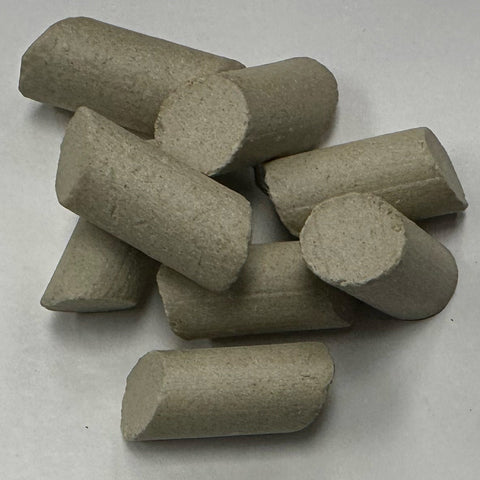
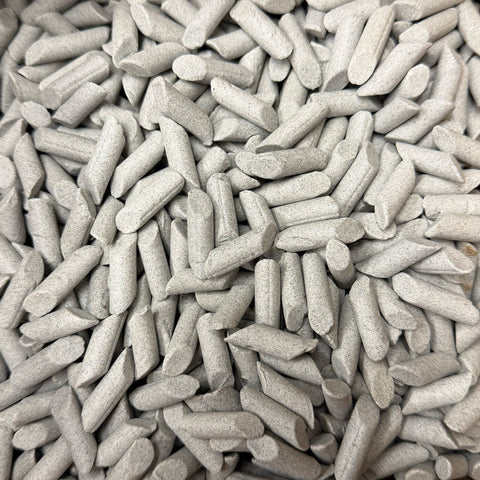
Ceramic tumbling media for deburring, surface preparation, and improvement on steel, stainless steel, and other hard metals. Higher density than plastic media allows aggressive material removal with shorter cycle times. Available in standard ceramic, precision ceramic, porcelain, and dry eco options.

Products Coming Soon

We're adding products to this collection. Browse all tumbling media options in the meantime.
View All Tumbling Media

Typical Applications

  • Heavy deburring of CNC-machined and cast parts
  • Edge radiusing for cutting tools and structural components
  • Surface refinement before coating, plating, or anodizing
  • Polishing and burnishing for jewelry and aerospace
  • First-step surface reduction on 3D-printed metals
  • Weld and braze preparation (silicon carbide grades)
  • Aggressive stock removal on hardened alloys
  • Medical device surface finishing to tight tolerances

Compatible Materials

  • Steel and hardened tool steel
  • Stainless steel (all grades)
  • Titanium and aerospace alloys
  • Brass and aluminum (standard grades)
  • Nickel-based superalloys
  • Composites and engineered plastics
  • 3D-printed metal components (SLM/DMLS)
  • Carbide tooling (silicon carbide grades)

Frequently Asked Questions

Ceramic media is the right choice when processing harder metals — stainless steel, tool steel, titanium, hardened alloys — or when you need aggressive stock removal that plastic cannot deliver. Its durable ceramic bond and precision-graded abrasives (aluminum oxide or silicon carbide) deliver cutting power that plastic cannot match on these materials. For softer metals like aluminum and brass where dimensional accuracy is critical, plastic media is generally preferred to avoid edge damage.
Porcelain ceramic (A/A3) contains no abrasive and is used for burnishing and polishing — it produces high-luster, bright finishes on ferrous metals, brass, and aluminum with minimal material removal. Fast-cut ceramic (D/D+) contains high concentrations of aluminum oxide for maximum stock removal in minimum cycle time — D+ is the most aggressive ceramic composition available. Choose porcelain for final brightening steps; choose D/D+ for initial heavy deburring and stock removal operations.
Ceramic media wear rates range from 0–7%/hr depending on composition and application. Faster-cutting grades (D+, E+) wear more quickly than porcelain (A, A3). Signs that replacement is needed: noticeable drop in cutting or polishing efficiency, excessive sludge or fines in the bowl, or significant reduction in media size causing lodging in part features. Regular monitoring of media volume and finish quality will indicate when to top up or replace.
Yes. High-density ceramic grades (C-HD at 120–150 lbs/ft³) are specifically engineered for tough aerospace alloys including titanium. The higher density provides the impact force needed to cut these hard materials while maintaining tight dimensional tolerances. For applications requiring bright polishing after deburring, a two-step process — D or C-HD for stock removal followed by A or A+ for burnishing — is commonly specified in aerospace finishing workflows.
Silicon carbide media (E and E+) is specified when aluminum oxide is chemically incompatible with the workpiece — primarily for brazing, soldering, and weld preparation where aluminum oxide contamination could compromise joint integrity. E+ uses fused zirconia abrasive for maximum cutting with low attrition rate, making it the preferred choice for hard alloys where both performance and media longevity are critical.
Absolutely. Porcelain ceramic (A, A3, A+) is specifically used to burnish and brighten metal surfaces with minimal material removal — producing the highest-luster finishes in the ceramic family. When paired with specialized polishing compounds, porcelain ceramic achieves mirror-like results on jewelry, precision instruments, and decorative hardware. The full ceramic range runs from maximum polishing (A3) to maximum cutting (D+), covering every phase of your finishing process.