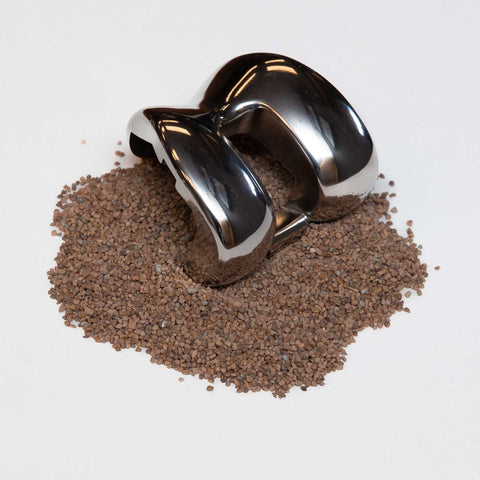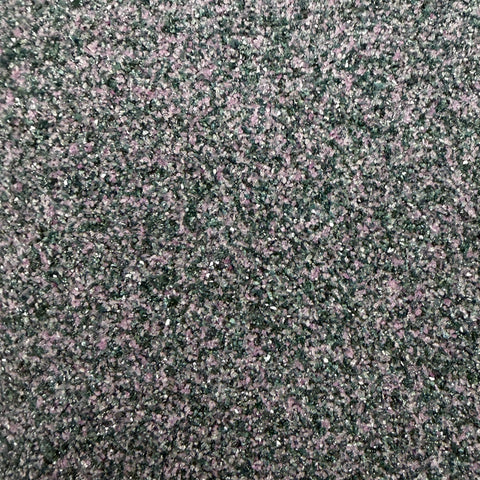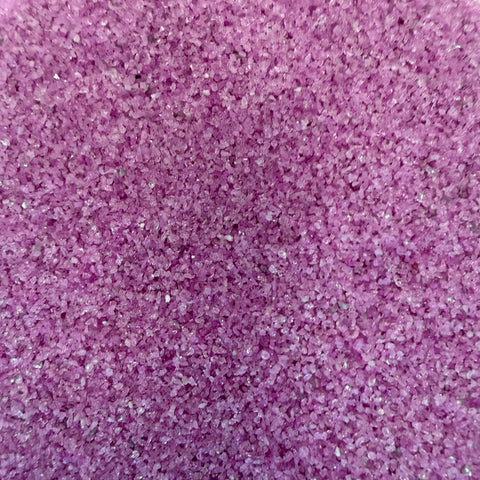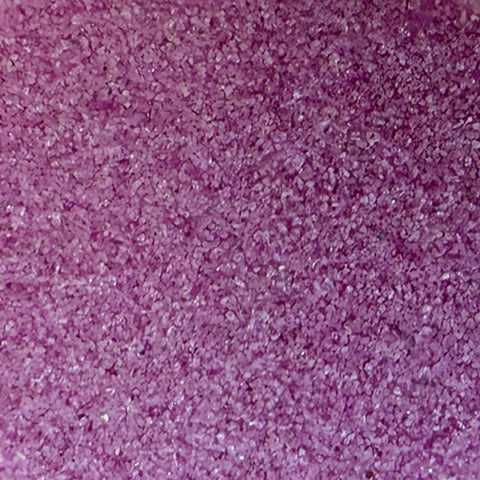
Abrasive dry polishing media for mass finishing and surface refinement
Polar Finishing · Tumbling Media

Dry Polishing Media

Brighten, smooth, and refine surfaces with zero water, zero compounds, and zero effluent — corn cob, walnut shell, and coconut shell carriers.

All Tumbling Media

Zero Water Process

No slurry, no wastewater treatment, no effluent — cleaner, simpler operation

High-Luster Finishes

Mirror-quality polishing on precious metals, medical implants, and jewelry

3 Carrier Types

Corn cob, walnut shell, and coconut shell — each for different goals

Moisture-Sensitive Safe

Ideal for parts that cannot be exposed to water or wet compounds

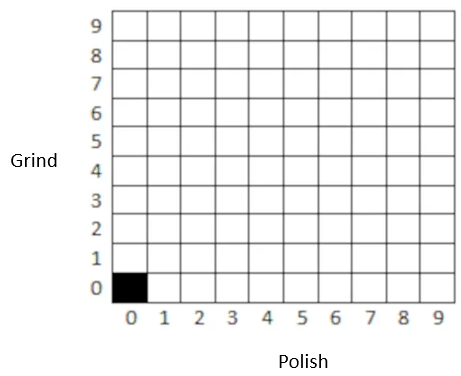
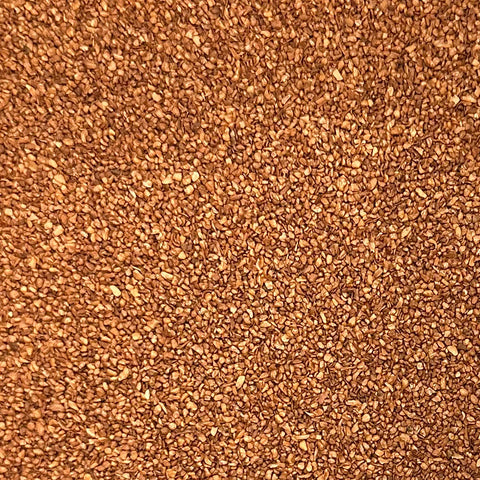
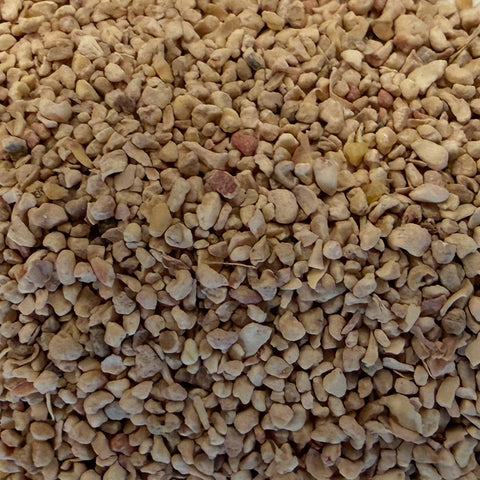
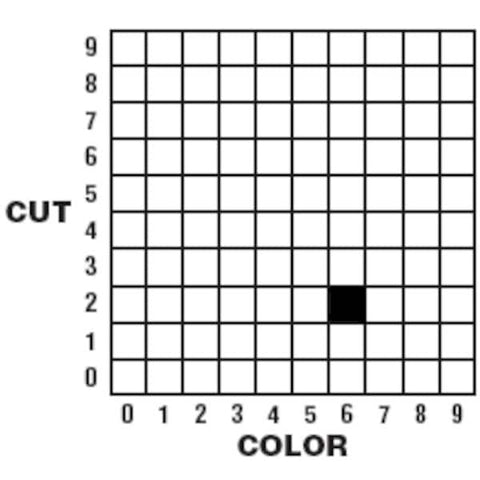
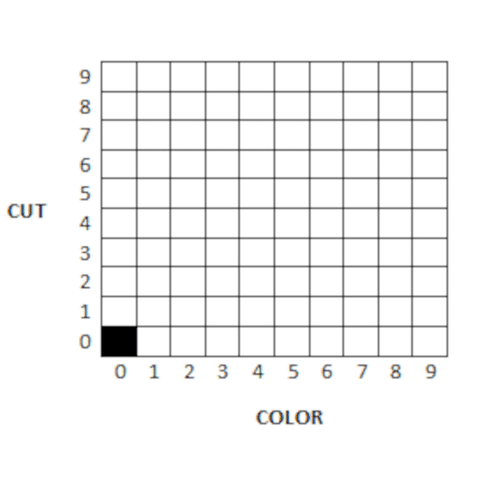
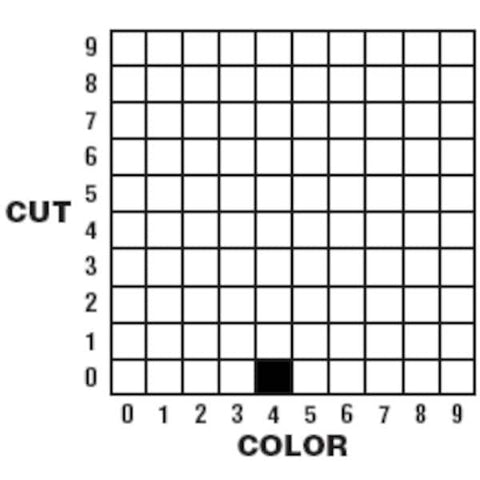
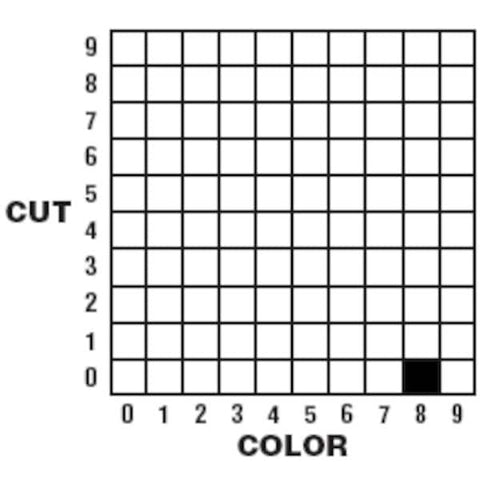
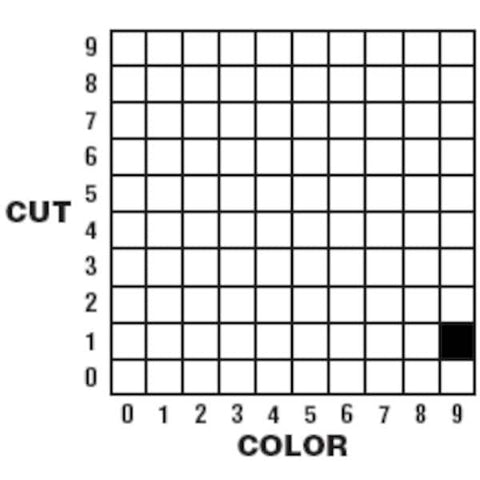
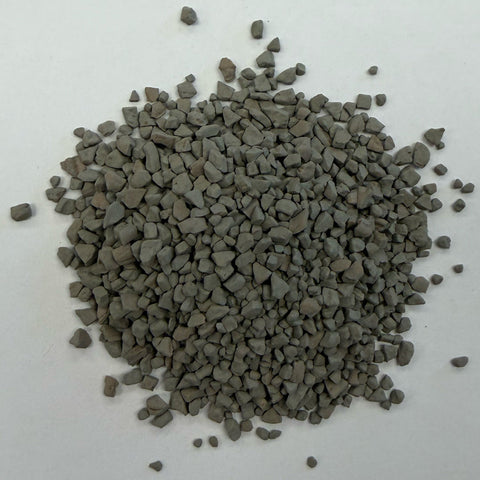
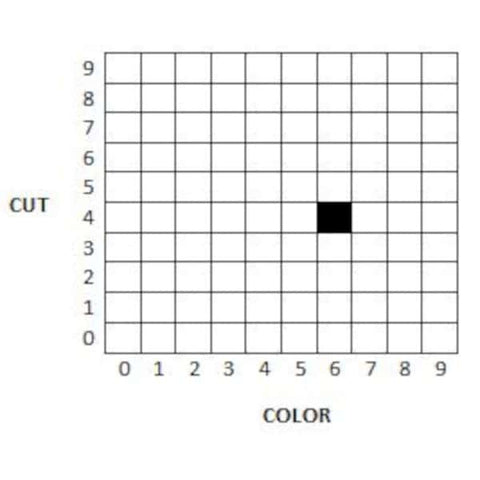
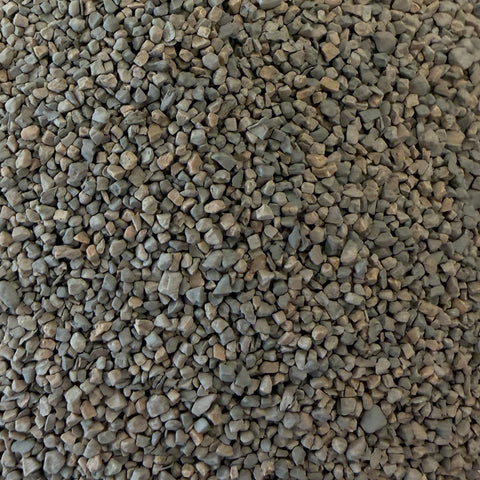
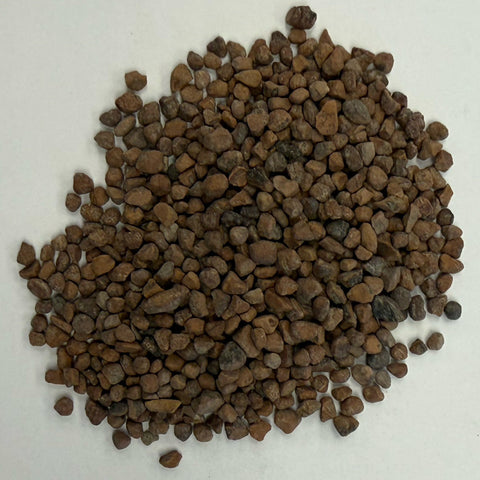
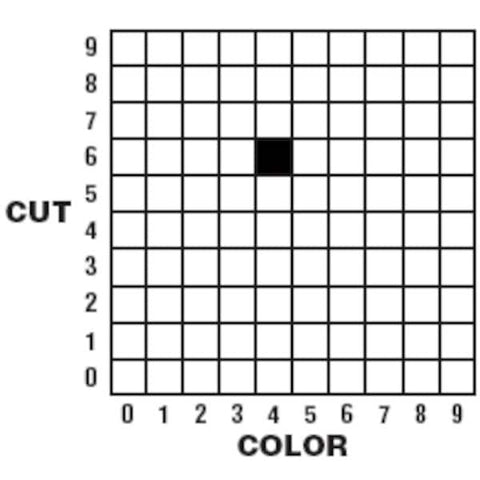
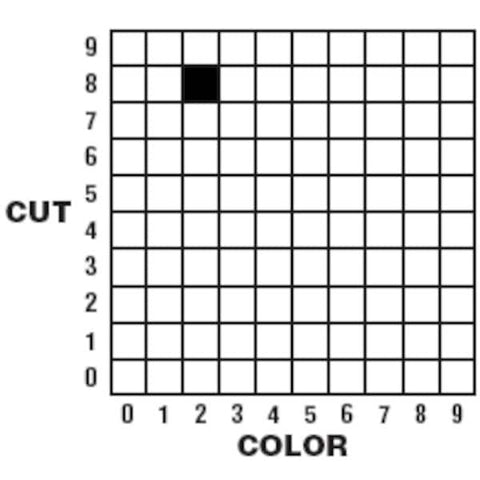
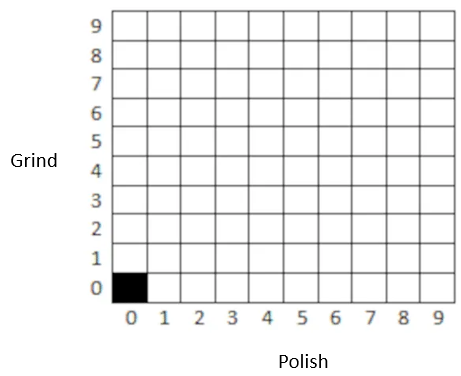
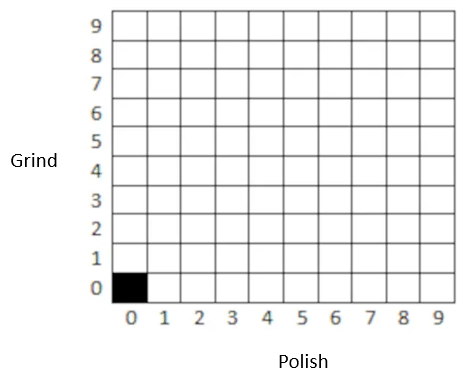
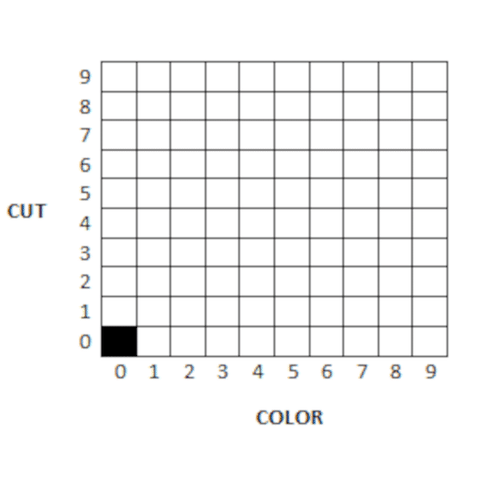
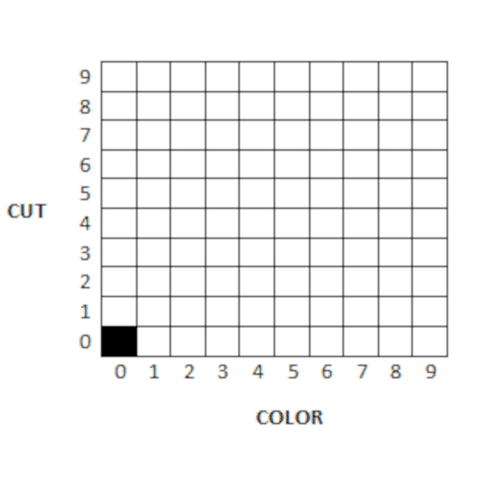
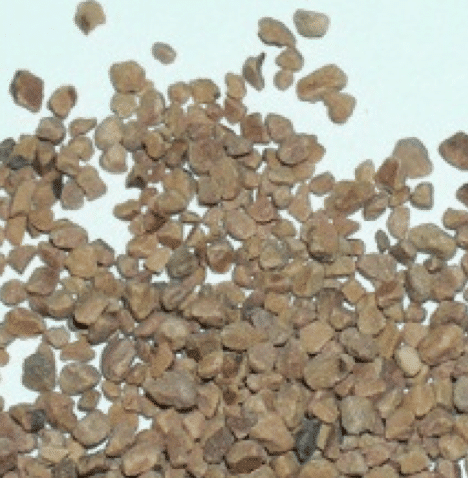
Dry tumbling media developed over years of production experience for brightening and polishing workpieces without water or compounds. Key selection factors: CUT or GRIND for deburring rough surfaces; COLOR or POLISH for brightening. Size and density determine process efficiency. Available in walnut shell media, corn cob media, and additives.

Products Coming Soon

We're adding products to this collection. Browse all tumbling media options in the meantime.

View All Tumbling Media

Typical Applications

  • High-luster polishing on precious metals and jewelry
  • Medical implant and instrument finishing
  • Post-wet-processing part drying and oil removal
  • Coating and oxidation removal on brass and copper
  • Surface blending on aerospace and defense components
  • Electronics connector and hardware finishing
  • Optics and firearm component polishing
  • Cutting tool edge polishing and honing preparation

Compatible Materials

  • Aluminum and aluminum alloys
  • Brass, bronze, and copper alloys
  • Stainless steel and carbon steel
  • Titanium and chrome alloys
  • Gold and silver (jewelry)
  • Carbide and ceramic tooling
  • Cobalt and nickel-base alloys
  • Moisture-sensitive plastics and delicate parts

Frequently Asked Questions

Dry tumbling media is primarily used for polishing, smoothing, and brightening part surfaces without water, slurry, or wet compound. It excels in applications requiring a controlled, clean process: jewelry and precious metal polishing, medical device finishing, aerospace components, electronics hardware, firearms, and optics. Corn cob media is also widely used post-wet-processing as a drying and oil absorption step — its porous structure removes moisture and light oils before parts go to packaging or assembly.
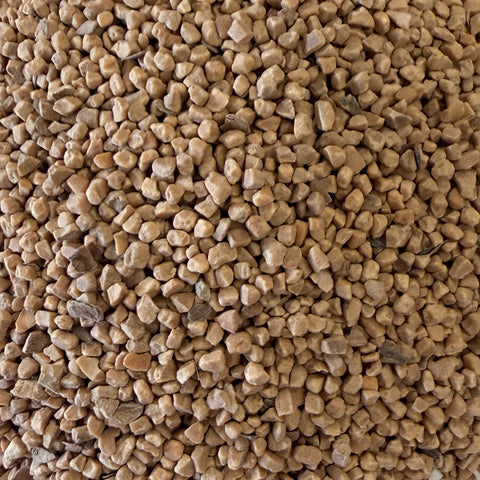
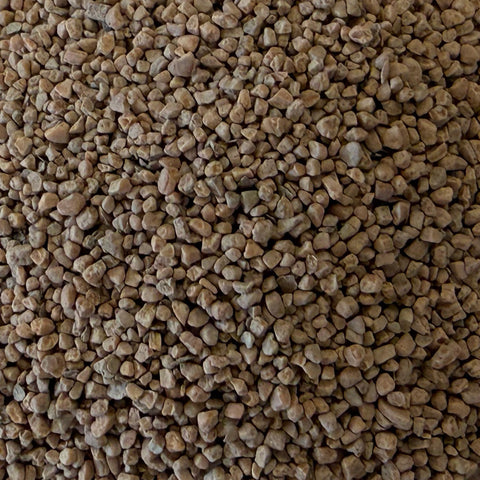
Each carrier has distinct properties: Corn cob (~33 lbs/ft³) is the softest and most porous — ideal for drying parts, absorbing oils, and gentle polishing of delicate non-ferrous metals. Walnut shell (~45 lbs/ft³) is harder and more angular, providing the widest range of polishing and light cutting capabilities with 20+ treatment variants — the most versatile all-around dry carrier. Coconut shell (~45 lbs/ft³) is semi-angular with a balance of cutting and polishing action, particularly well-suited to titanium, stainless steel, and aluminum pre-polishing.
Dry tumbling eliminates the slurry mess, compound costs, and wastewater treatment requirements of wet processing. It excels at polishing delicate parts and maintaining tight tolerances without dimensional changes. Dry media is also the only option for parts that cannot be exposed to water or chemical compounds. The trade-off is that dry media cannot match the heavy stock removal or deburring speed of wet ceramic — dry processing is fundamentally a polishing and surface refinement operation, not a heavy deburring one.
Yes. With the right carrier, treatment additive, and process parameters, dry polishing media achieves mirror-quality finishes. Walnut shell with red rouge additive (D-WS 29-300) reaches Ra values as low as 3.5 µin on brass and copper alloys. For medical implants and jewelry, treated walnut shell grades D-WS 17 and D-WS 18 deliver the highest available luster. The key is pairing the correct carrier grade with the right treatment additive for your specific metal and finish target.
Most dry polishing media is sold pre-treated — impregnated with the appropriate polishing compound — so the majority of grades work out of the box with no additives required. For extended batch life, replace approximately 15% of your media volume with fresh treated media to recharge a batch. Untreated carriers (D-CC 00, D-WS 00) do require separate compound additives and are used when you need to control the treatment chemistry precisely for specialized applications.
For stainless steel, walnut shell grades D-WS 46 and D-WS 47 provide excellent color and cut (Ra down to 2.0 µin). For chrome and titanium, D-WS 74 delivers excellent cutting capability. D-WS 27 serves as an all-purpose polisher across aluminum, ferrous metals, and stainless. Coconut shell media is also effective on titanium and stainless when light pre-polishing grinding is needed. For the highest luster on hard metals, a multi-step process — coarser grade first, then a finer finishing grade — is recommended.